
Pruning Tips - 5 Shrubs to Cut Back for Better Summer Blooms
Pruning Tips: 5 Shrubs to Cut Back for Better Summer Blooms
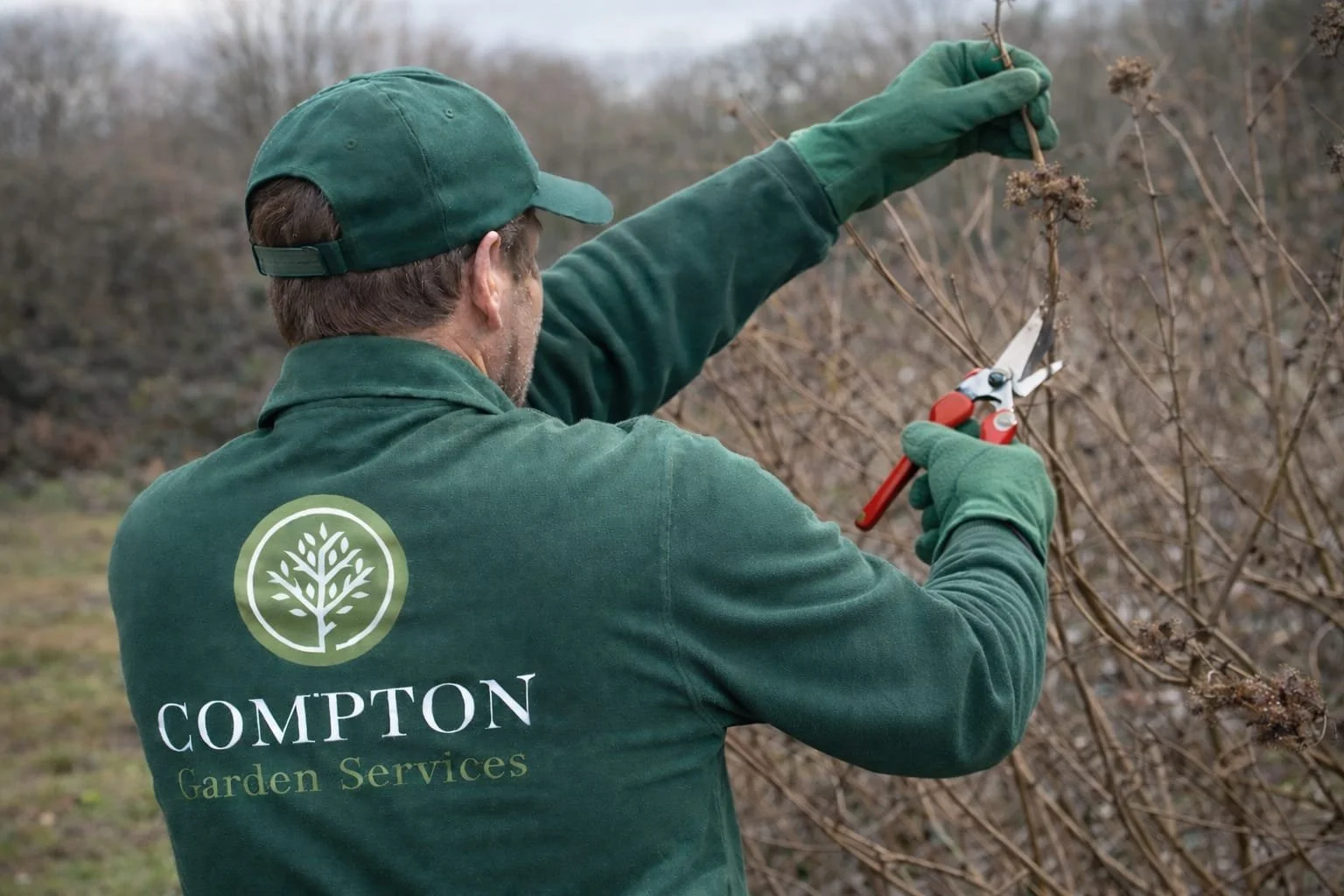
February may have felt like the quietest month in the gardening calendar, but for those in the know, late February, marks the beginning of one of the most important maintenance periods of the year. While frosts may linger and the soil can remain cold and damp, this is the perfect time to prepare your garden for the burst of growth that spring will soon bring. One of the most valuable tasks you can start to undertake is pruning. Done correctly, winter pruning encourages healthy growth, improves flowering, maintains structure, and prevents shrubs from becoming overgrown or unmanageable.
Pruning in late winter offers several advantages. With many shrubs dormant and free from foliage, it is easier to see their structure and identify weak, damaged, or crossing branches. Plants are also less vulnerable to stress at this time, allowing them to recover quickly once temperatures rise. By acting before new growth begins, you direct the plant’s energy into strong, productive shoots that will enhance both the appearance and vitality of your garden.
This guide focuses on five shrubs that benefit greatly from late February pruning: Buddleja (butterfly bush), Hydrangea paniculata, Cornus (dogwood), hardy fuchsia, and summer-flowering spirea. Each of these shrubs flowers on new growth or requires seasonal rejuvenation to perform at its best.
---
Why Pruning Matters
Late winter pruning is about more than tidiness — it is a proactive step that supports plant health and long-term garden success. Removing old or unproductive wood improves airflow, reducing the risk of disease. It also allows more light to reach the centre of the plant, encouraging balanced growth and preventing sparse or woody interiors.
For flowering shrubs, timing is critical. Plants that bloom on new wood — the current year’s growth — can be pruned in late winter without sacrificing flowers. In fact, pruning often results in larger blooms and a longer flowering period.
Pruning also helps:
Maintain a manageable size and shape
Encourage vigorous new shoots
Rejuvenate older, woody plants
Improve flowering performance
Prevent wind damage by reducing top-heavy growth
With these benefits in mind, let’s explore the five shrubs that deserve your attention this month.
---
Buddleja (Butterfly Bush)
Buddleja, often called the butterfly bush, is a favourite in UK gardens for its long, cone-shaped flower spikes and ability to attract pollinators. However, without regular pruning, it can quickly become tall, woody, and sparse at the base.
Why Prune Buddleja?
Buddleja davidii and similar varieties flower on new growth produced in the same year. A hard prune in late winter encourages vigorous shoots that will bear abundant flowers in summer. If left unpruned, the plant may become leggy, with blooms appearing only at the top.
How to Prune
In February or early March, cut back all stems to approximately 30cm above ground level. This may seem drastic, but buddleja is remarkably resilient. Use sharp secateurs or loppers to make clean cuts just above a pair of buds.
Benefits
Prevents leggy growth
Encourages strong, flower-bearing shoots
Keeps plants compact and manageable
Improves overall flowering display
---
Hydrangea paniculata
Hydrangea paniculata varieties, such as ‘Limelight’ and ‘Grandiflora’, are prized for their large, cone-shaped blooms that last from summer into autumn. Unlike mophead hydrangeas, these shrubs flower on new wood, making February an ideal time to prune.
Why Prune in Late Winter?
Pruning encourages larger flower heads and maintains a strong framework. Without pruning, the shrub may become top-heavy, leading to flopping stems during flowering.
How to Prune
Cut back the previous year’s growth to a framework of sturdy branches, leaving two to three buds on each stem. Remove weak or crossing stems to maintain an open structure.
Benefits
Larger, more impressive blooms
Stronger stems that resist flopping
Improved shape and structure
Healthier airflow through the plant
---
Cornus (Dogwood)
Cornus grown for their colourful winter stems — such as Cornus alba ‘Sibirica’ — bring vibrant reds, oranges, and yellows to the winter garden. To maintain this striking display, regular pruning is essential.
Why Prune in Early Spring?
The brightest stem colour appears on new growth. Cutting the plant back hard each year encourages fresh shoots with the most vivid colour.
How to Prune
Cut stems back to 5–7.5cm above ground level. This technique, known as coppicing, stimulates vigorous regrowth.
Benefits
Brighter winter stem colour
Vigorous new growth
Compact, tidy habit
Prevents woody, dull stems
---
Hardy Fuchsia
Hardy fuchsias add a touch of elegance to borders with their delicate, pendulous flowers. These shrubs die back in winter and regrow from the base, making late winter pruning an important maintenance task.
Why Prune in Spring?
Hardy fuchsias flower on new growth, so pruning in late winter will not affect blooming. Instead, it helps shape the plant and encourages bushier growth.
How to Prune
Once the risk of severe frost begins to ease, cut back old stems to low buds near the base. Remove any dead or damaged wood.
Benefits
Encourages bushier plants
Promotes abundant flowering
Maintains a neat shape
Removes winter-damaged growth
---
Summer-Flowering Spirea (Spiraea japonica)
Summer-flowering spirea varieties are valued for their clusters of pink or white flowers and neat, compact growth. Without pruning, they can become woody and produce fewer blooms.
Why Prune in Late Winter?
These shrubs flower on new wood, so a late-winter cut stimulates fresh shoots and improves flowering performance.
How to Prune
Cut back to a low framework, removing up to one-third of the plant. Focus on removing older, woody stems to encourage new growth.
Benefits
Denser, more compact habit
Increased flower production
Rejuvenated growth
Improved overall appearance
---
Essential Pruning Tips for Early March
To achieve the best results, keep the following tips in mind:
Choose the Right Day
Prune on a dry day when temperatures are above freezing. Wet conditions can spread disease, and frozen stems may snap unevenly.
Use Clean, Sharp Tools
Sharp secateurs make clean cuts that heal quickly. Disinfect tools between plants to prevent disease transmission.
Remove Dead, Diseased, or Crossing Branches
Always start by removing problem growth before shaping the plant.
Don’t Be Afraid to Cut Back
Many shrubs respond positively to hard pruning. When done correctly, it promotes healthier, more vigorous growth.
Mulch After Pruning
Applying mulch around the base of shrubs helps retain moisture, suppress weeds, and enrich the soil as temperatures rise.
---
Supporting Wildlife While Pruning
While pruning is essential, it’s also important to consider wildlife. Many shrubs provide shelter for insects and birds during winter. Before cutting, check for signs of nesting or overwintering creatures. Leaving some stems or creating habitat piles with prunings can support biodiversity in your garden.
Buddleja, in particular, is a magnet for butterflies and bees in summer, while dense shrubs offer valuable cover for birds year-round. Thoughtful pruning ensures your garden remains both beautiful and wildlife-friendly.
---
Common Pruning Mistakes to Avoid
Even experienced gardeners can make pruning errors. Here are a few pitfalls to watch for:
Pruning spring-flowering shrubs like forsythia or lilac in February, which removes developing flower buds.
Leaving stubs instead of cutting back to buds, which can invite disease.
Overcrowding the centre by failing to remove crossing branches.
Using blunt tools, which crush stems and slow healing.
Understanding the specific needs of each shrub ensures pruning enhances rather than harms your plants.
---
Preparing Your Garden for Spring
February pruning is just one part of preparing your garden for the growing season. While working outdoors, consider tackling other late-winter tasks such as:
Clearing fallen leaves and debris
Repairing garden structures and supports
Dividing perennials where appropriate
Planning new planting schemes
Checking tools and equipment for the busy months ahead
These small steps make a significant difference once spring arrives in full force.
---
The Long-Term Benefits of Winter Pruning
Consistent late-winter pruning delivers lasting benefits for both plants and gardeners. Over time, shrubs maintain a balanced shape, produce more flowers, and require less corrective pruning. Healthy, well-managed plants are also more resistant to pests, disease, and extreme weather.
For homeowners and professional gardeners alike, February is a month of opportunity — a chance to shape the garden’s future before the growing season begins. By investing time now, you ensure a vibrant, colourful, and thriving landscape in the months ahead.
---
Final Thoughts
Although February may seem like a quiet month in the garden, it plays a crucial role in setting the stage for a successful growing season. Pruning shrubs such as buddleja, Hydrangea paniculata, cornus, hardy fuchsia, and summer-flowering spirea encourages healthy growth, enhances flowering, and keeps plants looking their best.
With the right approach, tools, and timing, late-winter pruning becomes a rewarding task that benefits both your garden’s appearance and its ecological health. Step outside on a crisp February morning, secateurs in hand, and you’ll be investing in a garden that will flourish beautifully throughout the year.